My Engineering Story
I’m interested in building systems that work under real constraints.
I’m a systems-leaning full-stack engineer: backend APIs, data workflows, search, and reliability habits learned from production environments. I like turning messy processes into predictable software.
WHAT I CARE ABOUT
Systems & workflows
Clear state transitions, role boundaries, and software that doesn’t drift into chaos.
Data & search
Modeling data cleanly, building query paths that scale, and improving discovery.
Production habits
Debugging with intent, writing things down, and making changes that hold up tomorrow.
THE ARC
I didn’t fall in love with software because it’s “cool.” I fell in love with it because it’s the cleanest way I know to make complex operations reliable.
I’m at my best when there are real constraints: time, data quality, edge cases, and people depending on the output.
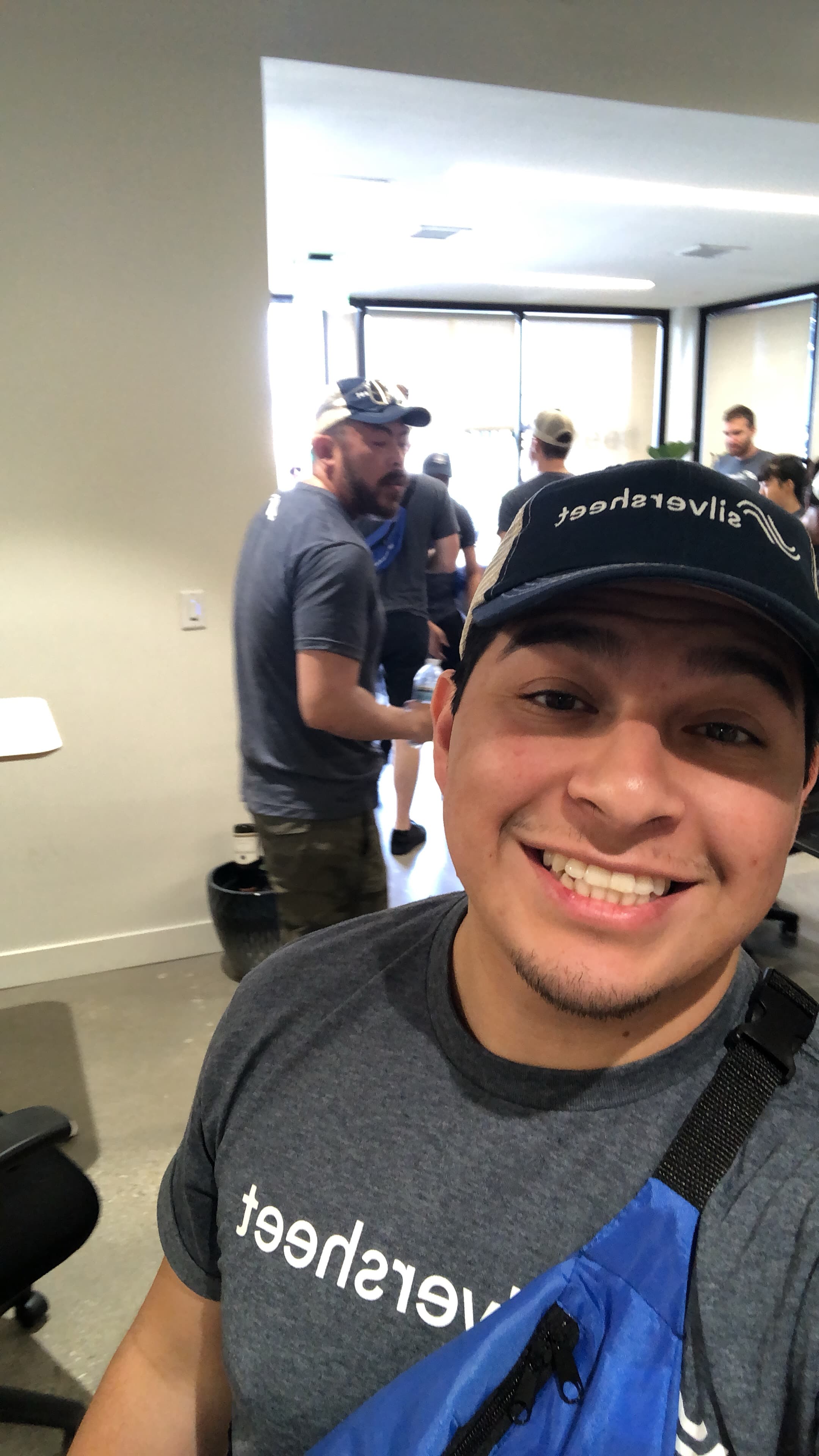
PRODUCTION ENGINEERING AT SILVERSHEET
I worked across web systems (Rails + frontend + database-backed behavior), spent a lot of time debugging cross-browser/device issues, and built the habit of understanding failures at the system level — not just patching symptoms.
The takeaway: I’m calm in real systems. I like root causes, not band-aids.
SYSTEMS THINKING AT MGM WORKFORCE
In Workforce Management, I operate inside large scheduling systems where trade-offs are constant: coverage, demand, rules, exceptions, and handoffs across teams. That environment sharpened how I think about software: dependencies, failure modes, and designing for the real world.
The takeaway: I naturally think in constraints, invariants, and “what breaks first?”
RESEARCH MINDSET
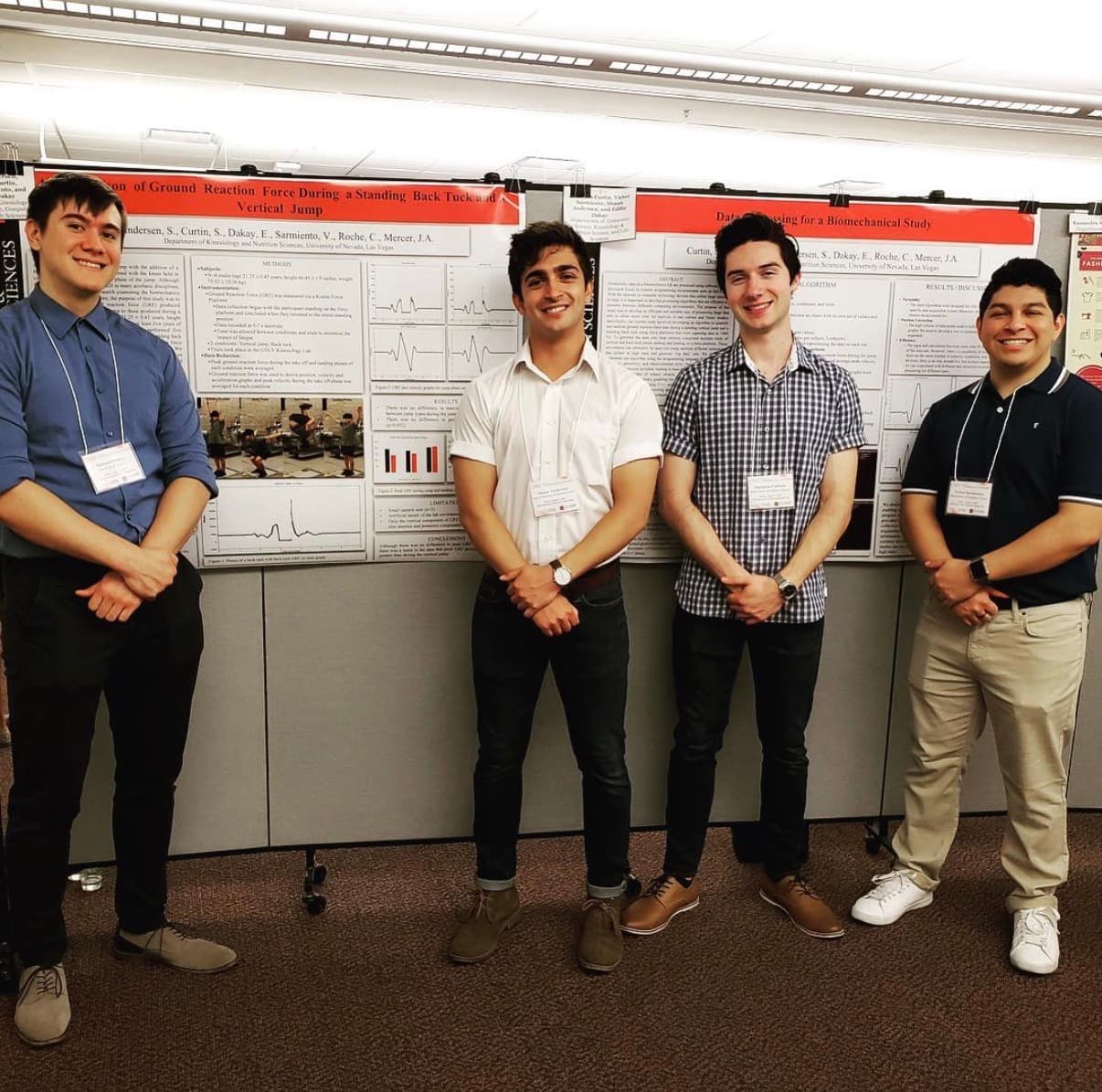
Earlier in my path, I contributed to biomechanics research involving force-platform datasets, signal processing, and numerical analysis. My work focused on turning noisy raw inputs into usable outputs through numerical integration, smoothing, and visualization.
That experience shaped how I still think today: good engineering often means working through imperfect data, making careful assumptions, and building something reliable enough for other people to use and trust.
Presenting that work at the UNLV Summer Undergraduate Research Symposium gave me an early appreciation for something I still value: being able to not only build or analyze something, but also explain it clearly.
Data, noise, and turning raw inputs into useful outputs.
WHAT I’M BUILDING NOW
HomeSavvyDeals | Contractor Work
I’ve been contributing to a live affiliate product experience: mixing affiliate and non-affiliate items, improving search flow, and using Supabase RPC/views to support retrieval and ranking behavior.
- Built a mixed product carousel with a target affiliate share
- Used recency-weighting to bias fresh inventory
- Improved search to distinguish “URL lookup” vs “similar product” intent
H.O.S.T. | Workflow-First System Design
H.O.S.T. started from an operations mindset: define roles, states, and invariants first — then build the software to enforce it.
- Relational modeling for tickets, roles, priorities, and state transitions
- APIs built around lifecycle integrity (create → assign → resolve)
- Authentication + role-based permissions
WHERE I WANT TO GROW
I’m aiming for teams that build infrastructure-ish product surfaces: backend platforms, data/search workflows, reliability-minded feature development — the places where strong engineering habits matter.
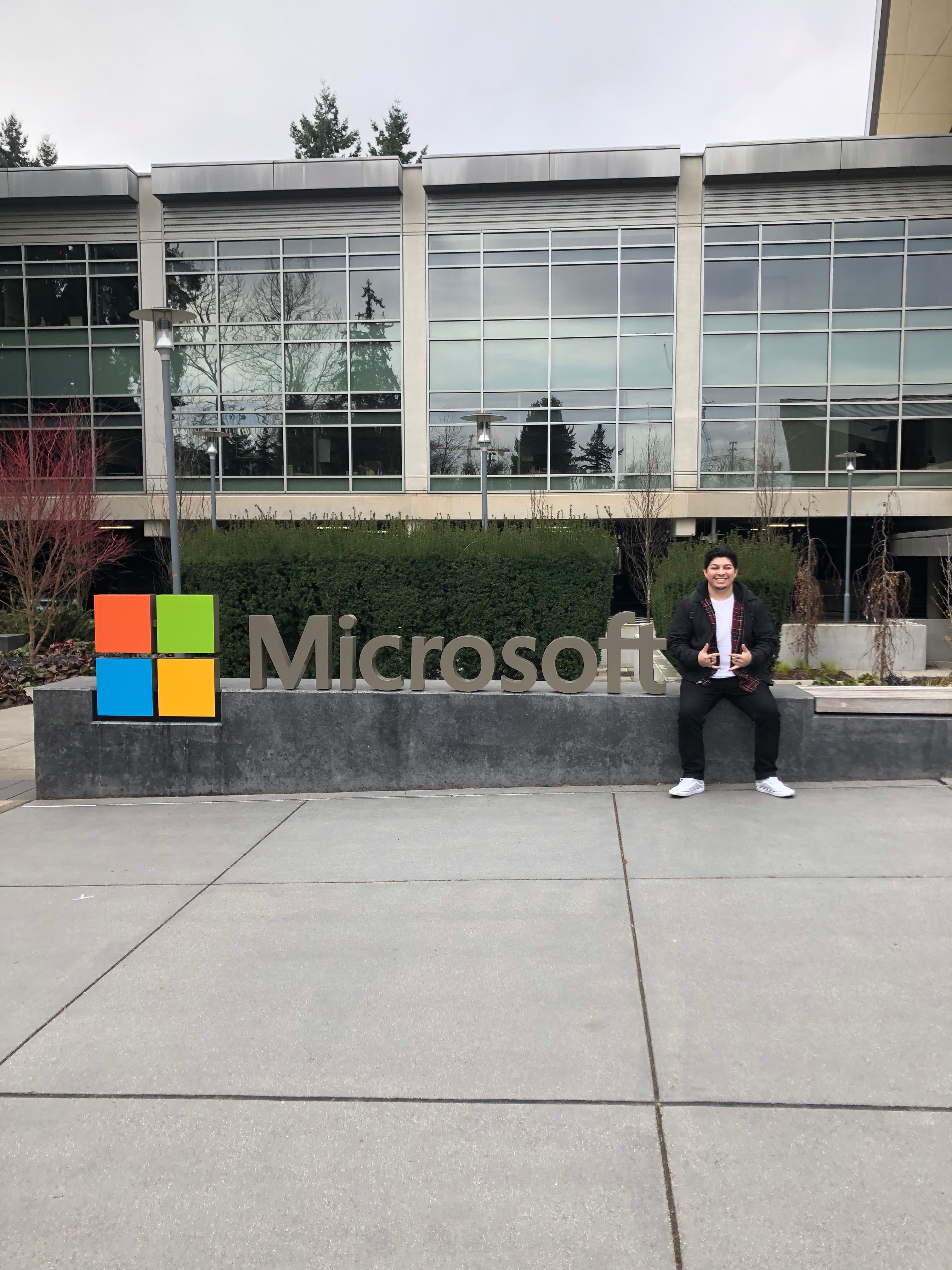
I’m open to tech hubs and strong engineering orgs (Seattle is one example), as well as Las Vegas or remote. What I care about most is being in an environment where I can ship, learn, and grow into bigger systems.
One reason I like major tech markets: they concentrate dense engineering ecosystems and high standards. (For example, CBRE consistently ranks places like the SF Bay Area, Seattle, and NYC among the top tech talent markets.)
OUTSIDE THE EDITOR
I’m happiest when I’m building something real: a system that reduces friction, a workflow that becomes predictable, or a product surface that makes decisions easier. I also care about being the kind of teammate who communicates clearly, writes things down, and takes ownership of outcomes.
If you want the “cold hard facts,” the Facts page has the quick scan version.